
What does OSHA require for handwashing on a job site?
Two different rules cover two different situations, and mixing them up is the most common mistake we see on Kent sites. General sanitation and toilet counts fall under OSHA 1926.51(c), which sets toilet ratios by crew size. Washing facilities with soap and running or standing water are a separate requirement, 29 CFR 1910.141(d)(2), and a sanitizer bottle clipped to a fence post does not check that box. If your crew is applying paints, coatings, herbicides or insecticides, OSHA 1926.51(f)(1) kicks in specifically for that contaminant exposure, and it means real washing capability, not wipes. We set up handwashing station rental units alongside portable toilet rental placements so both requirements are covered in one delivery instead of two separate headaches. A lot of Kent contractors bundle this with construction site services planning up front, before the crew ever shows up, which saves a callback later.
How many handwashing stations does a Kent job site need?
There is no separate headcount ratio for handwashing units the way there is for toilets. OSHA 1926.51(c)(1) sets the toilet math at one facility per 20 workers on crews of 20 or fewer, climbing to one toilet and one urinal per 40 workers between 20 and 200, and one per 50 above that. Handwashing stations get sized around that same crew count in practice, since workers using the toilets are the same ones who need to wash after. Our portable sink rental units pair one-to-one with restroom clusters on most Kent sites. If you are running a mixed crew doing coating or pesticide work under 1926.51(f)(1), plan on stations positioned right at the work zone, not just back at the restroom bank, since that rule is about washing off contact with the specific contaminant, not general hygiene. Check our how many porta potties do I need guide for the toilet-side math, since the two counts track together on most Kent builds.
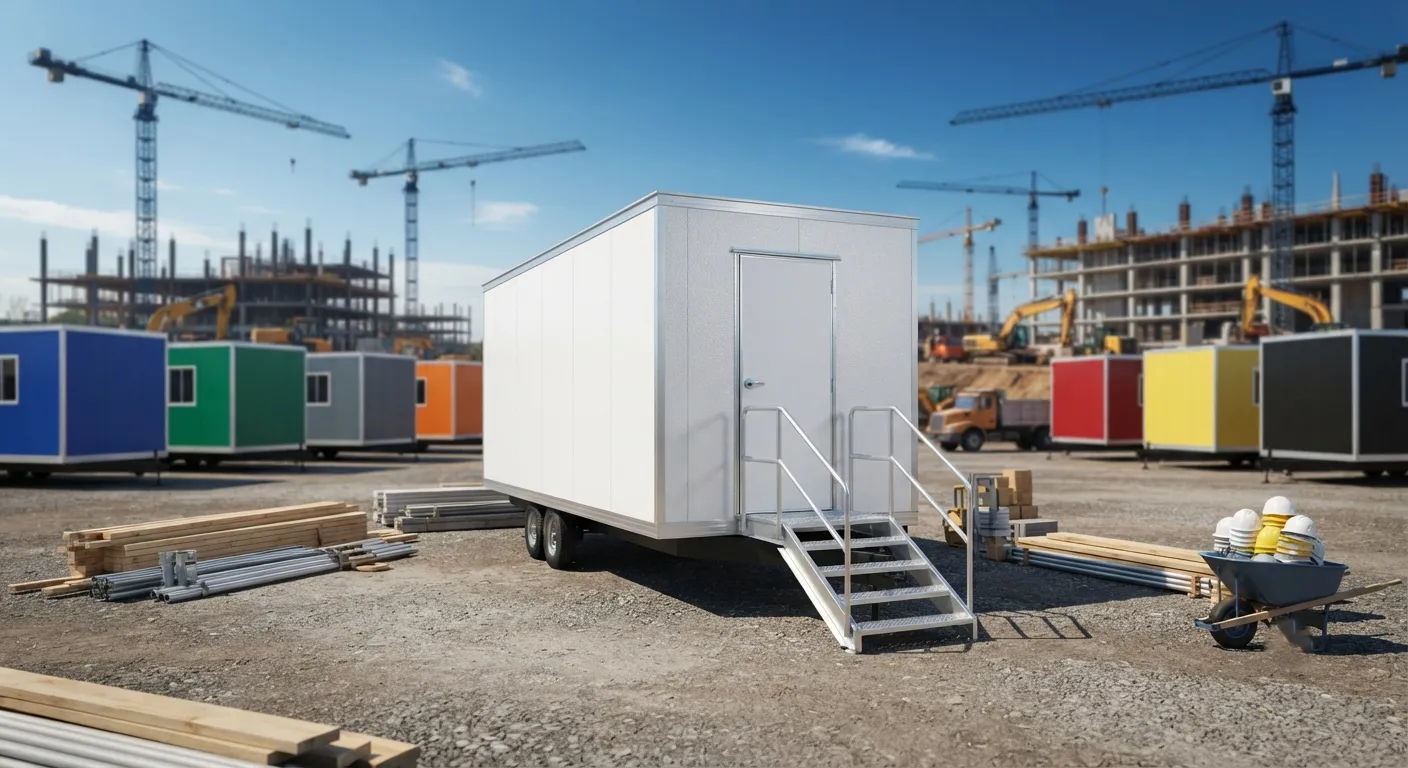
Are hand sanitizer stations enough to meet code?
No. Sanitizer does not satisfy 29 CFR 1910.141(d)(2), which specifically requires soap and towels or a drying device, not an alcohol gel substitute. This trips up more Kent contractors than any other sanitation detail, because sanitizer feels like it should count and it simply does not under the written standard. A hand sanitizer station rental works as a supplement near tool cribs or break areas, but it cannot replace the wash stations tied to your toilet count. Agricultural operations in and around Kent have their own version of this under OSHA 1928.110, which requires potable water, toilets and handwashing for hand-labor employees, with a facility within a quarter mile walk of the work area. That distance rule matters if your crew is spread across a large parcel, since a single station at the gate does not satisfy a quarter-mile radius requirement once workers are 300 yards out picking or pruning. Farm clients in Kent lean on our farm and agricultural restrooms page for that exact layout question.
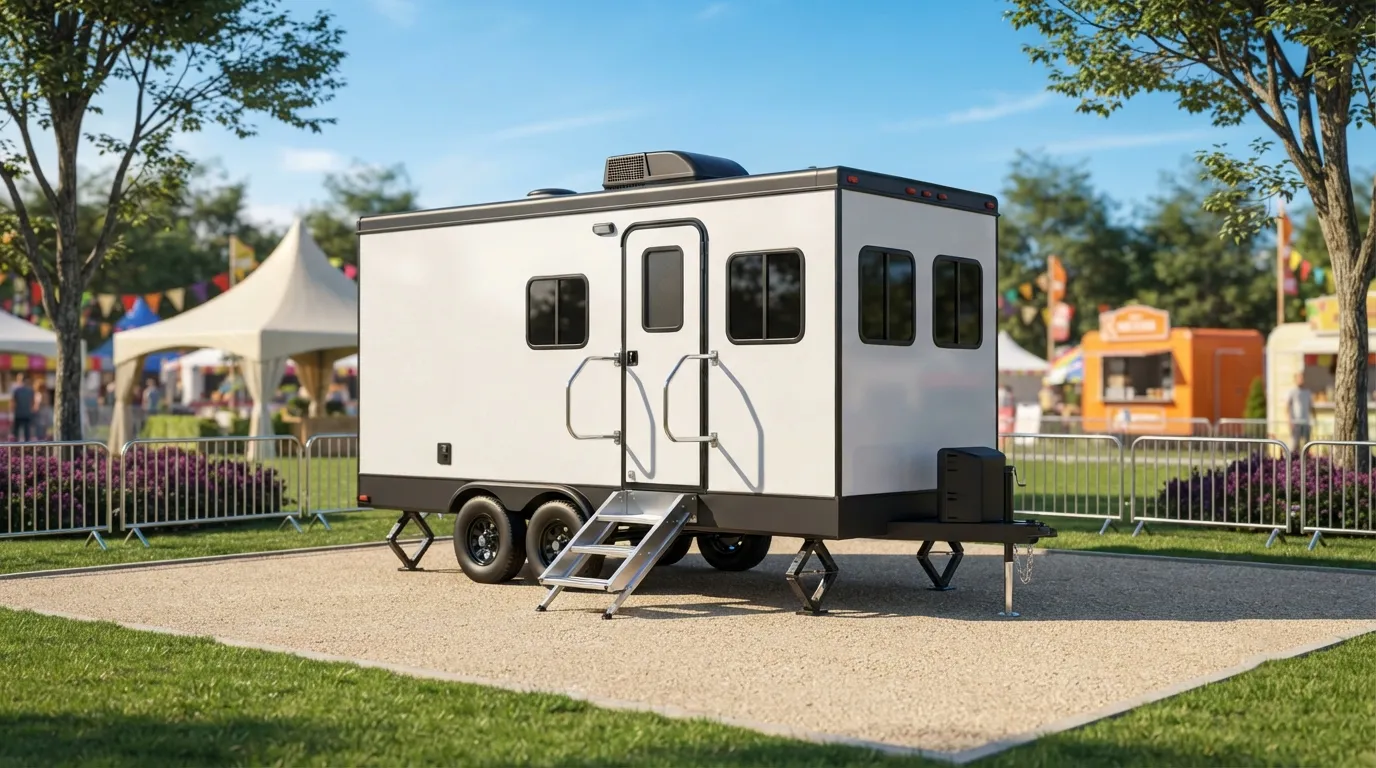
Where should handwashing stations be placed on site?
Right next to the toilets, and within reach of anywhere food gets handled or contaminants get applied. ADA Standards section 213.2 requires that at least 5 percent of a cluster of portable toilet units be accessible, never fewer than one, and the accessible unit needs a station nearby too, not just the standard ones. Access routes matter as much as placement: ADA Standards section 403.5.1 sets a 36 inch minimum clear width for the route leading in, and ADA Standards section 302.1 requires the ground surface be stable, firm and slip resistant, which rules out loose gravel or soft turf under the unit. We handle this placement question constantly for events too, from wedding restroom rental setups to larger festival restroom rental layouts, where foot traffic patterns decide where stations actually get used versus ignored. For general layout logic, our porta potty placement guide covers clearance and route width in more detail. Kent sites with tight lot lines should also check dumpster permit requirements if roll-off placement is competing for the same curb space as restroom and wash units.

Pricing for handwashing and related sanitation units
| item | duration | typical price |
|---|---|---|
| standard portable toilet | day | $150 |
| standard portable toilet | week | $200 |
| ADA accessible unit | day | $230 |
| ADA accessible unit | week | $185 |
| delivery fee | week | $100 |
Kent Porta Pros prices handwashing stations alongside the toilet order rather than as a standalone line, since delivery is usually shared. Full breakdowns live on our porta potty rental cost and monthly porta potty rental pages, and event organizers comparing multi-day rates should look at porta potty rental per day before booking.
Does a small job site really need a separate handwashing station?
Yes, if the crew is applying coatings, herbicides or insecticides, OSHA 1926.51(f)(1) applies regardless of crew size. For general labor, pairing a station with your toilet order under OSHA 1926.51(c) covers most Kent residential and light commercial jobs.
Can hand sanitizer replace soap and water on a Kent job site?
No. 29 CFR 1910.141(d)(2) requires soap and towels or a drying device. Sanitizer is a reasonable supplement near a handwashing station rental setup, but it does not meet the written standard on its own.
What is the difference between 1926.51(c) and 1926.51(f)(1)?
1926.51(c) sets toilet counts by crew size for general construction sanitation. 1926.51(f)(1) is narrower, triggered only by paint, coating, herbicide or insecticide exposure, and requires actual washing facilities at that point of contact.
Do farm sites in Kent have different handwashing rules?
Yes. OSHA 1928.110 covers agricultural field sanitation, requiring potable water, toilets and handwashing within a quarter mile walk for hand-labor employees. See farm and agricultural restrooms for typical Kent layouts.
How far apart should handwashing stations be on a large site?
Close enough that workers actually use them. Agricultural sites follow the quarter-mile rule under OSHA 1928.110. Construction sites should cluster stations with toilet groups; check the porta potty placement guide for route width and surface requirements.
Next step
Get a delivery date
Tell us the address, the dates and the headcount. We size the order and confirm the route.